Can You Can Thanksgiving Leftovers? Safety Rules
Thanksgiving dinner is over, the table is cleared, and the refrigerator is packed with turkey, gravy, stuffing, and mashed potatoes. It is tempting to look at all that food and wonder whether a pressure canner could turn it into shelf-stable jars for the weeks ahead. Here is the short, safety-first answer: no, you cannot safely can Thanksgiving leftovers. Once food has been cooked, served, and stored as leftovers, there is no tested home canning procedure that makes it shelf-stable again. The safe homes for your leftovers are the refrigerator for a few days and the freezer for the months ahead — not the pantry shelf.
This is not a matter of opinion or of being extra cautious. Home canning safety rests on tested recipes: specific foods, prepared in specific ways, processed for a specific time at a specific pressure or in a boiling-water bath, with the heat penetration measured in a laboratory. Leftovers fail that test on every count. They are mixed foods, they have been handled and cooled and reheated, their density and acidity are unknown, and no laboratory has validated a process for them. If you want to understand why the method matters so much, start with our guide to water bath vs pressure canning and the processing times and altitude chart — both explain why a recipe must be followed exactly, never improvised.
The Two-Hour Rule Comes First
Before you decide anything about storage, get the food cold fast. Perishable Thanksgiving dishes should not sit at room temperature for more than two hours — one hour if the room is warm. That clock starts when the food leaves the oven or stove, not when the last guest leaves. Carve the turkey, spoon sides into shallow containers, and refrigerate promptly. Shallow containers cool faster than one deep pot, and faster cooling means less time in the temperature zone where bacteria multiply most quickly.
Refrigerated Thanksgiving leftovers keep for three to four days. That is the window for turkey sandwiches, reheated plates, and soup made from the carcass. Anything you will not eat within that window should go into the freezer on day one or two, while it is still fresh — not on day four when it is already tired. Label every container with the contents and the date, and use the oldest containers first.
Why Leftovers Cannot Be Canned
There are four separate reasons, and any one of them alone would be enough. First, leftovers are mixtures. Stuffing contains bread, broth, vegetables, and often sausage; gravy contains flour or starch, fat, and meat drippings; mashed potatoes contain butter and milk. Tested canning recipes exist for single, plain foods prepared in a defined way — not for the casserole that came off your table. Heat moves through a jar of plain green beans at a known rate; nobody has measured how heat moves through your particular stuffing.
Second, leftovers have an unknown history. They were cooked, served, possibly left out, scooped with serving spoons, and put away. Each step adds handling and time at warm temperatures. A tested recipe assumes fresh ingredients handled in a controlled way. Reprocessing food that has already been through a meal does not reset that history — it just adds another round of heating to food that may already carry a bacterial load that heat alone cannot be trusted to fix.
Third, many leftover dishes are dense, thick, or fatty. Density is the enemy of safe canning because heat must reach the very center of the jar. Thick gravy, creamed vegetables, and mashed potatoes all slow heat penetration, and fat can protect bacteria from heat. That is why tested recipes forbid thickeners, dairy, and added fat in jars. Our guide to canning meat safely shows how strict the rules are even for plain meat — leftovers break all of them at once.
Fourth, there is simply no tested recipe to follow. Safe canning means following a recipe from a trusted source such as the USDA Complete Guide or the National Center for Home Food Preservation (NCHFP). Neither publishes a procedure for canning leftover turkey dinner, leftover gravy, or leftover stuffing. Inventing one — guessing a time, borrowing a time from a different food — is exactly the kind of improvisation that causes botulism risk. Our article on botulism risk in home canning explains why low-acid foods like meat and vegetables demand a pressure canner and a validated process, and why shortcuts are never worth it.
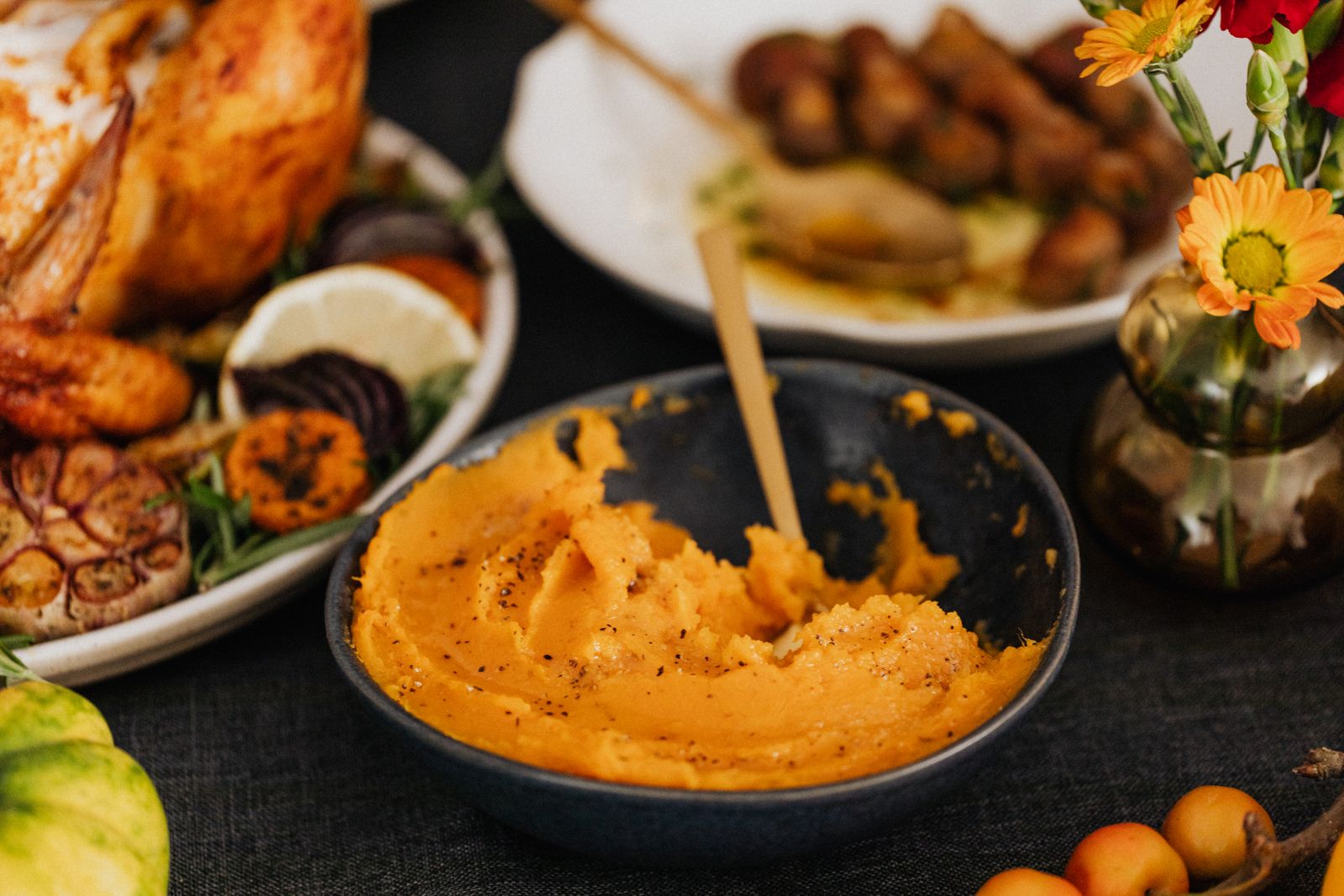
Going Dish by Dish: What the Rules Say
Turkey and Other Cooked Meats
Plain, freshly prepared meat can be pressure canned from a tested recipe — but leftover turkey cannot. The distinction matters. A tested meat recipe starts with fresh meat, cut and packed as directed, with a validated processing time. Leftover turkey has been carved, served, stored, and handled, and it is usually mixed with skin, gravy, or stuffing. Do not try to "re-can" it. Freeze carved turkey in meal-sized portions instead, with as much air pressed out of the bag as possible, and use it within a few months for best quality.
Gravy
Gravy is one of the least suitable foods for home canning, leftover or not. It is thick, it contains flour or cornstarch and fat, and there is no tested home procedure for canning gravy. Freeze gravy in small containers or ice-cube trays so you can thaw exactly what you need. When you reheat it, bring it to a full rolling boil and stir well. Discard any gravy that has been refrigerated for more than a couple of days or left out too long — when in doubt, throw it out.
Stuffing and Dressing
Stuffing is never canned at home, in any form. The bread-based mixture is dense, low in acid, and often contains meat or eggs, and heat cannot be trusted to reach the center of a jar of stuffing. The same applies to leftover dressing scooped from the bird or the pan. Freeze leftover stuffing in flat bags for easy thawing, and reheat it thoroughly to steaming hot all the way through. Never reheat stuffing more than once.
Mashed Potatoes and Creamed Vegetables
Mashed potatoes contain butter and milk, and their thick, dense texture blocks heat penetration. There is no tested home canning procedure for mashed potatoes, and the same goes for creamed corn, creamed onions, and green bean casserole. These dishes freeze well, though: spread mashed potatoes in a flat freezer bag, press out the air, and thaw in the refrigerator overnight. A splash of warm milk and a good stir will bring them back to life.
Cranberry Sauce: The One Partial Exception — With a Catch
Fresh cranberry sauce is different from the other dishes because cranberries are naturally high in acid, and tested water-bath recipes exist for cranberry sauce made from fresh berries. But that does not make your leftover sauce a canning candidate. The safe recipe starts with fresh cranberries, sugar, and water, processed exactly as written. Sauce that has already been served, sweetened to taste, mixed with other ingredients, or stored in the refrigerator is not that recipe. If you want shelf-stable cranberry sauce, make a fresh batch from a tested recipe — our water bath guide to canning cranberry sauce walks through it. Your leftover sauce belongs in the refrigerator or freezer, like everything else on the table.
What to Do Instead: Freeze It Right
Freezing is the method Thanksgiving leftovers were made for. It stops bacterial growth, it works for every dish on the table, and it needs no special equipment beyond containers or freezer bags. A few habits make a real difference. Cool food quickly in shallow containers before bagging it. Portion into the amounts you will actually reheat — single servings for lunches, family portions for another dinner. Press air out of bags, because air causes freezer burn. Label everything with the dish and the date, and keep a simple list on the freezer door so nothing is forgotten until spring.
When you thaw, thaw in the refrigerator, never on the counter. A frozen block of turkey soup thaws safely overnight in the fridge; on the counter, the outside spends hours in the danger zone while the center is still frozen. Reheat leftovers until they are steaming hot throughout, and reheat gravy and sauces to a rolling boil. And remember the golden rule of leftovers: if you are unsure how long something has been in the fridge, or whether it sat out too long on the big day, discard it. No meal is worth a bout of food poisoning.
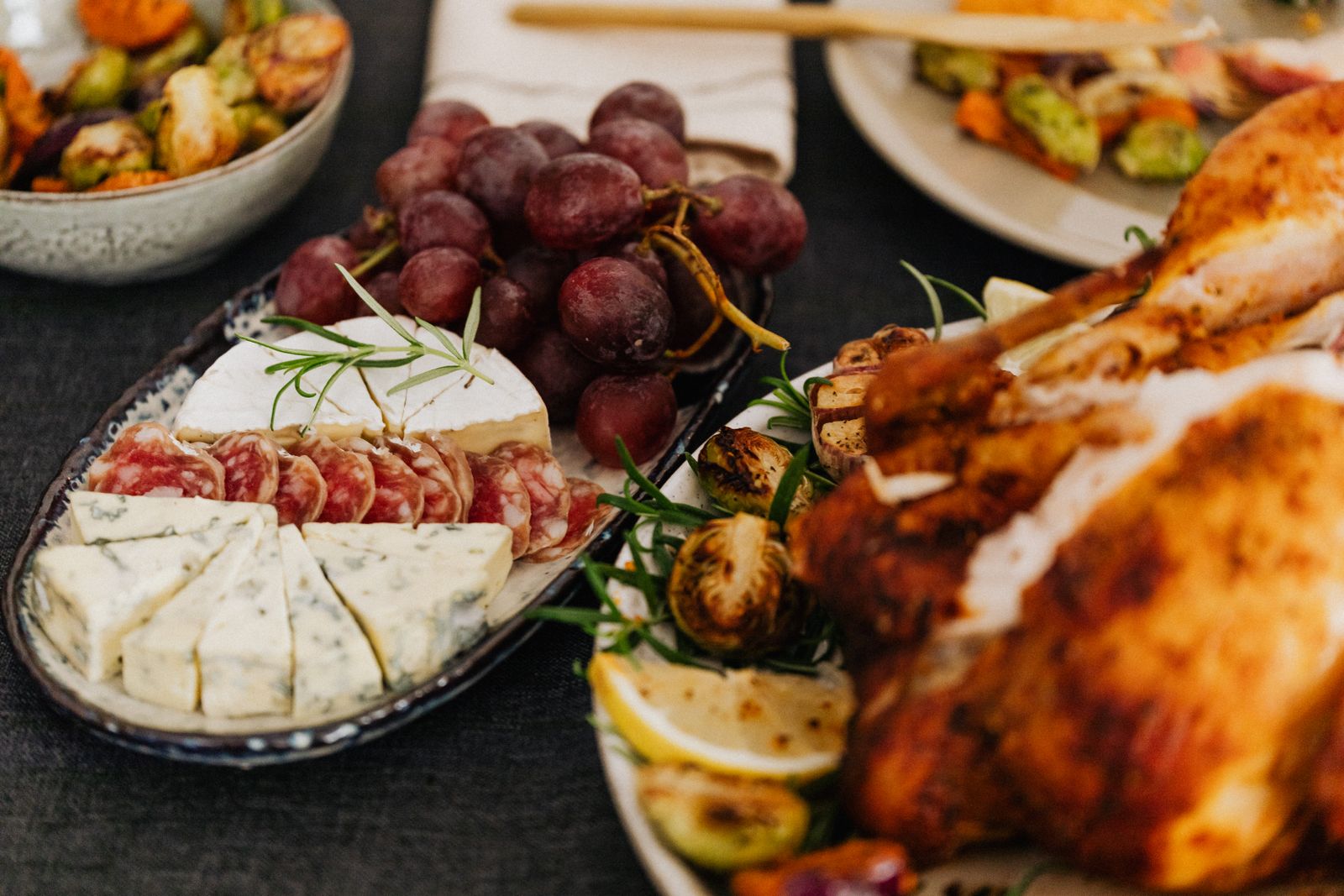
The Safe Way to Enjoy Thanksgiving Twice
The best Thanksgiving strategy is planned, not improvised. Before the holiday, set aside freezer containers and labels. After the meal, move fast: refrigerate within two hours, freeze what you will not eat in three to four days, and keep the refrigerator for the short term only. The next day, you can turn some leftovers into new meals — turkey soup from the carcass, turkey sandwiches, a small shepherd's pie topped with leftover mashed potatoes — and freeze those finished dishes too, as long as they go into the freezer promptly and are reheated only once.
There is also a smarter way to get shelf-stable food out of the season. If you love the idea of pantry jars for winter, can the right foods from fresh ingredients while the season is still here: plain pumpkin in cubes, cranberry sauce from a tested recipe, or applesauce from fresh apples. Our guides to canning pumpkin in cubes and canning applesauce safely show how it is done properly. The rule is simple: shelf-stable jars start from fresh ingredients and tested recipes, never from the serving dish.
Finally, keep your canning knowledge honest. If a jar on your shelf ever looks doubtful — a bulging lid, an off smell, spurting liquid when opened, or mold — do not taste it. Our guide to signs that home canned food has gone bad explains what to look for, and our article on how long home canned food lasts covers storage times. And if a jar ever fails to seal in the first place, see why canning jars fail to seal before you reprocess anything. Safe canning is a discipline, and the discipline starts with knowing what not to can.
Frequently Asked Questions
Can I pressure can leftover turkey if I use a long processing time?
No. A longer time does not fix an untested recipe. Processing times are validated for specific foods and preparations; guessing a longer time for leftover turkey does not make it safe, and it can still leave the center of the jar under-processed while ruining the food. Freeze leftover turkey instead.
What about canning just the turkey broth or stock from the carcass?
Broth and stock made fresh from the carcass can be pressure canned from a tested recipe — but only if you make it as the recipe directs, from fresh preparation, and process it promptly. Broth that has been sitting in the refrigerator for days as a leftover, or that contains stuffing, noodles, or other additions, is not a canning candidate. See our guide to canning broth and stock safely for the rules.
Can I can leftover cranberry sauce since cranberries are acidic?
No — not the leftover sauce. Tested cranberry sauce recipes start with fresh berries and defined amounts of sugar and water. Leftover sauce has an unknown recipe, unknown acidity after additions, and a serving history. Make a fresh batch from a tested recipe if you want shelf-stable jars.
How long do Thanksgiving leftovers last in the freezer?
Most Thanksgiving dishes keep good quality in the freezer for two to six months, depending on the dish and the packaging. They remain safe beyond that if kept frozen, but texture and flavor decline. Always label with the date and use the oldest packages first.
Is it safe to eat leftovers that sat out during a long dinner?
Perishable food left at room temperature for more than two hours should be discarded. Bacteria multiply quickly in that window, and reheating does not reliably make such food safe. When in doubt, throw it out — it is the cheapest insurance you will ever buy.
Comments
Post a Comment
Play nice — spam and promo links are deleted.