Best Canning Recipe Books for Beginners (2026 Picks)
PreservePath is reader-supported. When you buy through links on our site, we may earn an affiliate commission — at no extra cost to you.
A good canning recipe book is the difference between a pantry full of safe, delicious jars and a season of guessing. The internet is full of canning recipes, but many of them were never lab-tested, and the ones that look the most appealing, the ones with the most creative ingredient swaps, are often the riskiest. A tested book gives you recipes that have been checked for acidity, heat penetration, and processing time, plus the explanations that teach you why the rules exist, so you can eventually judge new recipes for yourself. For a beginner, the right book is not a luxury. It is the safety equipment.
The short answer
For a beginner, the best first canning book is a comprehensive, tested guide that covers both water bath and pressure canning, explains altitude adjustments, and includes recipes for the foods you actually want to can. The USDA Complete Guide to Home Canning is the gold standard for tested procedures and is available free online, but a well-organized print book is easier to use with sticky hands in the kitchen. Pair a comprehensive guide with a recipe-focused book once you know the basics, and avoid any book that encourages untested methods like oven canning or open-kettle filling. You can compare current beginner canning books on Amazon by searching for canning recipe books for beginners and checking that the book states its recipes are tested.
What makes a canning book trustworthy
Tested recipes. The book should say, clearly, that its recipes are tested, and ideally name the testing source: USDA, National Center for Home Food Preservation, a university extension service, or a publisher with a lab-testing program. Books that simply collect reader recipes without testing are cookbooks, not canning guides, and their processing times are guesses.
Both methods covered. A beginner book should explain water bath canning and pressure canning, and which foods belong to each method. Our water bath vs pressure canning guide gives the overview, but a book should walk you through both with step-by-step photos or diagrams.
Altitude adjustments. Processing times and pressures change with altitude, and a book that ignores altitude is incomplete for anyone above sea level. Check that the book includes altitude tables, and cross-reference them with our altitude chart.
Safety explanations, not just recipes. The best beginner books explain why you cannot reuse lids, why purees cannot be canned, and why jar size matters. Those explanations are what keep you safe when you later adapt a recipe. If a book gives times without reasons, you will not know which changes are safe and which are not.
Recipes you will actually make. A book full of recipes for foods your household never eats will sit on the shelf. Before buying, skim the table of contents for jams, pickles, tomatoes, and the vegetables you grow or buy in season.
Comparison table: canning books for beginners
| Book type | Best for | Strengths | Watch out for |
|---|---|---|---|
| Comprehensive tested guide | First book, all methods | Tested recipes, safety depth | Can feel textbook-like |
| Water bath focused book | Jams, pickles, tomatoes only | Approachable, recipe-rich | No pressure canning coverage |
| Pressure canning focused book | Vegetables, meats, soups | Low-acid depth | Overkill if you only make jam |
| Recipe collection with testing notes | Second book, inspiration | Creative, tested variations | Assumes you know the basics |
| Free USDA guide (print or PDF) | Reference, budget option | Gold standard testing, free | Dense layout, fewer photos |
The picks
Best first book: a comprehensive tested guide
Start with one book that covers everything: water bath and pressure canning, equipment, safety, altitude, and a wide recipe range. This is the book you will reach for on your first tomato batch, your first pressure canner session, and your first seal failure. Look for a current edition, because canning guidance is updated as testing improves, and older books sometimes recommend methods that are no longer considered safe. Search Amazon for complete guides to home canning and check the edition date and the publisher's testing notes before buying.
Best for water bath beginners: a jam, pickle, and tomato book
If your first season is all jams, pickles, and tomatoes, a water bath focused book is friendlier and less intimidating than a comprehensive guide. The recipes are the ones beginners actually make first, and the instructions assume no pressure canner. Our tomato water bath guide, dill pickle guide, and salsa safety guide cover the same territory on this blog, and a good water bath book extends them with more variations. Browse water bath canning cookbooks for beginners if this is your starting point.
Best for pressure canning: a low-acid focused book
Once you move to vegetables, meats, and soups, you need a book that goes deep on pressure canning: gauge care, venting, altitude pressures, and the rules for low-acid foods. A pressure focused book is the right second book, and it pairs with our pressure canning beginners guide and meat canning guide. Compare pressure canning cookbooks and favor books that explain gauge testing and venting in detail, because those are the steps beginners most often get wrong.
Best budget option: the free USDA guide
The USDA Complete Guide to Home Canning is free from the National Center for Home Food Preservation, and it is the reference that most other books are measured against. The layout is dense and the photos are few, but the procedures are the gold standard. Print the sections you use most, or keep a tablet in the kitchen. For a beginner on a budget, the USDA guide plus this blog's step-by-step guides is a complete starter library for zero cost. It is also the right cross-check whenever an internet recipe looks questionable: if the USDA guide does not support the method, do not use it.
Best second book: a tested recipe collection
Once you know the methods, a recipe collection with testing notes gives you the creative range: chutneys, relishes, fruit butters, and preserves beyond the basics. The key word is tested: a collection that notes its testing source for each recipe is a tool, while a collection that does not is a gamble. Look for preserving cookbooks with tested recipes and check the introduction for testing claims before buying.
What about AliExpress?
AliExpress sells canning books, but the honest evaluation is cautious. Book editions, print quality, and even content can differ from the publisher's version, and older editions that recommend outdated methods sometimes circulate through third-party sellers. For a safety-critical book, buying a current edition from a reputable bookseller is worth the extra cost. AliExpress is a reasonable place to buy canning jars, funnels, and other hardware, where a specification is a specification, but for the book that tells you whether a jar is safe, buy the real, current edition from a seller you trust.
Books to avoid
Avoid any canning book that recommends oven canning, open-kettle canning, wax sealing, or canning butter, cheese, or pureed pumpkin and squash. Avoid books that do not mention altitude, that reuse old processing times without explanation, or that present reader-submitted recipes with no testing note. If a book's introduction does not discuss testing, treat every recipe in it as untested, no matter how professional it looks. And avoid relying on a single internet recipe, however popular, without cross-checking it against a tested source. Our botulism facts guide explains why untested recipes are a genuine risk, not just a technicality.
Building your canning library over time
Start with one comprehensive guide and the free USDA guide. Add a water bath or pressure book when your cooking moves in that direction. Add a recipe collection when you want variety beyond the basics. Keep the books in the kitchen, not on a distant shelf, and write notes in the margins: which recipes your family liked, which jar sizes you used, and what altitude adjustments you applied. A canning book with your notes in it becomes a personal record of your pantry, and it is far more useful than a pristine copy.
Also keep this blog's guides alongside your books. Our equipment picks, like pressure canner picks, canning kit picks, and jar picks, help you choose the gear your book assumes you own, and our troubleshooting guides, from seal failures to shelf life, answer the questions that come up mid-season.
The verdict
Buy one comprehensive, tested, current-edition canning guide as your first book, keep the free USDA guide as your reference, and add a focused book only when your canning moves in that direction. Check every book for testing claims, altitude tables, and both canning methods before buying, and avoid any book that recommends untested methods. A good canning book pays for itself the first time it stops you from following a risky internet recipe, and it keeps paying every season after that.
Frequently asked questions
Can I learn canning from the internet alone?
You can learn a lot, but the internet mixes tested and untested recipes without labeling them clearly. Use trusted sources, university extension sites and the National Center for Home Food Preservation, and cross-check anything else against a tested book. This blog's guides are written to tested procedures, but a book in the kitchen is still your best cross-check.
Are older canning books safe to use?
Older books can be useful for recipes, but their methods may be outdated. Canning guidance has changed as testing improved, especially for tomatoes, which are less acidic than they used to be. If you use an older book, verify its processing times against a current tested source before canning.
Do I need a book if I only make jam?
Even jam makers benefit from a tested book, because jam recipes vary in acid and pectin, and some jam methods, like open-kettle filling, are not safe. A water bath focused book covers jam properly and gives you the confidence to try pickles and tomatoes next.
What is the difference between a canning book and a preserving book?
Preserving is broader: it includes freezing, drying, fermenting, and pickling without canning. A canning book focuses on jarred, shelf-stable preserves. If you want to ferment or dry as well, a general preserving book is a good second purchase, but it does not replace a canning guide for jarred foods.
Should I buy an ebook or a print book?
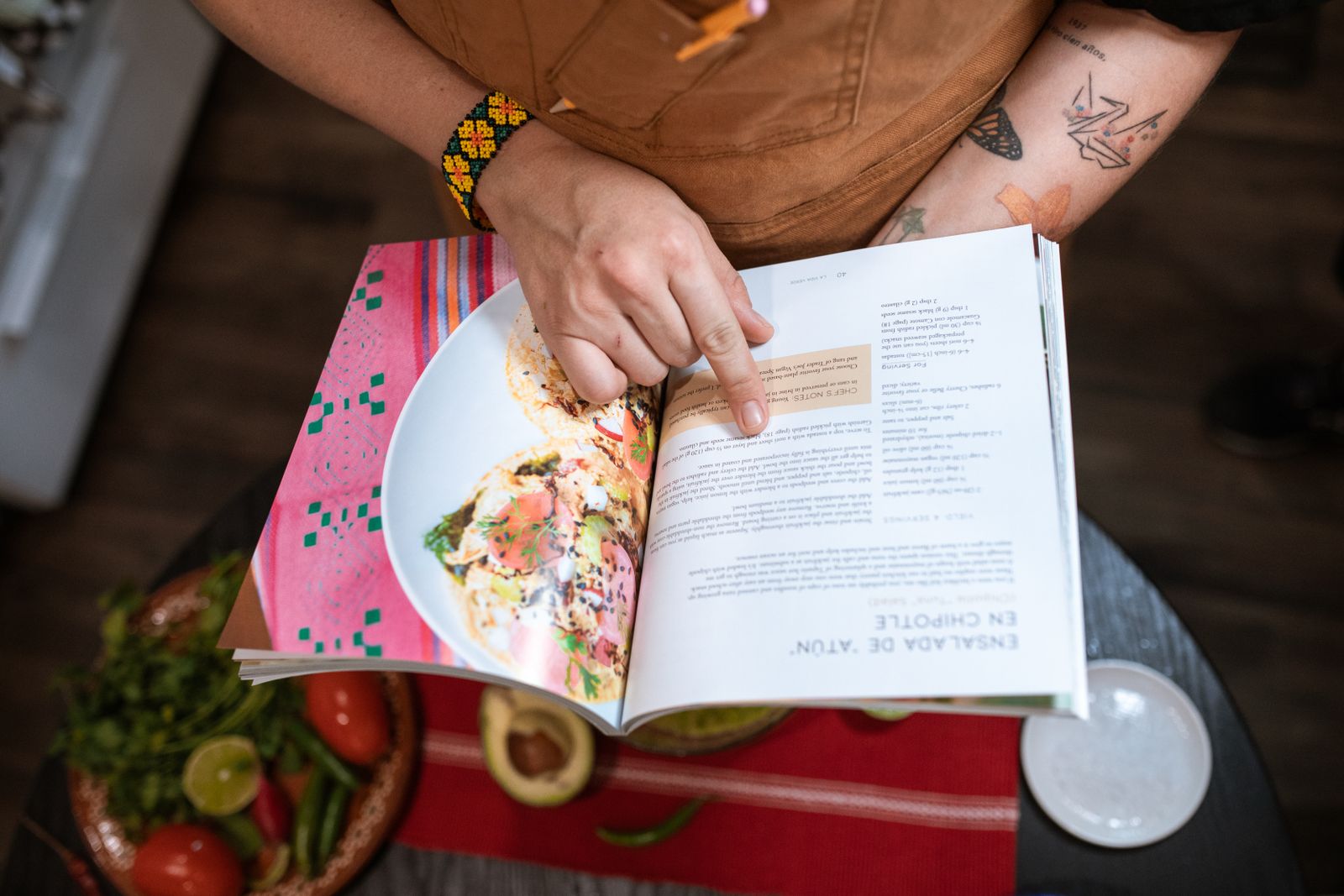
Print wins in the kitchen: it survives sticky hands, it stays open on the counter, and it does not time out or need charging. Ebooks are fine for reading and reference, but for a book you will use mid-batch, print is the practical choice.
The best canning book is the one you actually use, and the one whose testing you trust. Buy current, buy tested, and keep it where you can reach it with wet hands. Your pantry, and everyone who eats from it, will be safer for it.
Comments
Post a Comment
Play nice — spam and promo links are deleted.