What NOT to Can at Home: Foods With No Safe Home Canning Method
Short answer: some foods simply have no safe home canning method, and no amount of extra boiling, extra pressure, or extra time changes that. If no tested recipe from the USDA or the National Center for Home Food Preservation (NCHFP) exists for a food, the safe choice is to freeze it, refrigerate it, or eat it fresh — not to can it anyway. This guide lists the foods beginners most often ask about, explains why each one is off the list, and gives you the safe alternative for each.
That rule — tested recipe or don't can it — is the backbone of everything on this blog. It is why Water Bath vs Pressure Canning: Which Do You Need? starts with acidity, why Botulism Risk in Home Canning insists on tested times, and why our recipe guides always point you to a tested source instead of inventing steps. If you are new to canning, read Pressure Canning for Beginners and How to Can Tomatoes: Water Bath Method first — they show what a tested procedure looks like, so the red flags in this article will be easier to spot.
The test that decides everything
A tested recipe is not just a recipe someone tried once and survived. It is a recipe developed in a laboratory, where scientists measured how heat moves to the center of the jar for a specific food, cut, jar size, packing method, and altitude, and confirmed that the process kills the organisms that cause spoilage and food poisoning. Changing any one of those variables — a bigger jar, a thicker sauce, a different vegetable mixed in — can make the tested time invalid. That is why "my grandmother did it this way" and "a video showed it working" are not tests. Grandmothers and videos do not measure cold spots inside a jar.
The practical rule is simple: before you can any food, check a current, trusted source — the USDA Complete Guide, your state extension service, or the NCHFP website. If you find a tested recipe for that food, follow it exactly. If you do not find one, do not can it. The rest of this article is the shortlist of foods where that search comes up empty, and the mistakes that lead people to can them anyway.
Dairy, eggs, and fats: never can them
Milk, cream, cheese, butter, and eggs have no tested home canning recipes. Dairy and eggs are low-acid, protein-rich foods, and their density and fat content make heat penetration unpredictable — the outside of the jar can look fully processed while the center never reaches a safe temperature. The same goes for any recipe that adds butter, cream, cheese, or oil to a jar: a "creamy" soup, a cheesy sauce, or a butter-rich preserve is not a tested recipe just because the base vegetable has one. Canning meat safely, for example, works only for plain meat in water or broth under a tested procedure — see Canning Meat Safely: The Tested Procedure — and adding dairy or fat to that jar breaks the test.
The safe alternatives are straightforward: freeze milk-based soups and sauces, refrigerate opened dairy, and add butter, cream, or cheese when you serve the food, not when you can it. A jar of plain canned carrots or broth, opened and finished with butter at serving time, tastes just as good and is actually safe. The same logic applies to canning broth itself: Canning Broth and Stock Safely covers the tested, plain version — and it stays plain for a reason.
Purees, thick sauces, and dense foods
Thick foods heat slowly and unevenly, and that is why purees are one of the most common unsafe canning projects. Pumpkin puree is the famous example: cubed pumpkin can be pressure canned under a tested recipe, but pumpkin puree, pumpkin butter, and pumpkin pie filling cannot, because the dense puree insulates its own center. The same principle rules out mashed potatoes, pureed squash, thick bean dips, and any sauce thickened with flour, cornstarch, or other starches. Thickeners slow heat transfer in exactly the way a tested time does not account for, so a thickened jar can look sealed and still harbor danger in the middle.
This catches a lot of good cooks, because the food looks and smells perfectly fine. The fix is to can the plain version and finish the texture later: can cubed vegetables instead of puree, can plain tomatoes instead of thickened sauce, and stir in thickeners, pureeing, and seasoning when you open the jar. Freezing is the right home for purees and thick sauces — it preserves them safely without any heat-penetration gamble. If you have ever wondered why our salsa guide is so strict about ingredients, Canning Salsa Safely: Tested Recipes and Acid Rules explains how even small changes to a tested salsa recipe can break its safety.
More foods with no safe home method
Bread, cakes, and baked goods in jars
"Cake in a jar" and "bread in a jar" look charming on a gift table, and they are genuinely unsafe for shelf storage. Baked goods are low-acid, dense, and often contain dairy, eggs, and fat — every risk factor at once — and sealing a hot cake in a jar does not sterilize it. The vacuum seal that forms as the jar cools is not a tested process, and mold and bacteria can grow inside without any visible sign. Bake these gifts fresh, or freeze them; do not shelve them.
Garlic in oil, herbs in oil, and infused oils
Garlic and fresh herbs stored in oil at room temperature create a low-acid, oxygen-free environment where botulism spores can grow — the same risk as a sealed low-acid jar, without any processing at all. Commercial garlic-in-oil products are acidified and manufactured under controls you cannot replicate at home. The safe home versions are refrigerated, used quickly, or frozen in oil in small portions. Never can garlic in oil, and never store a homemade herb oil on the shelf.
Pickled eggs, and other refrigerator-only pickles
Pickled eggs have no tested shelf-stable home canning recipe. Eggs are dense, low-acid, and absorb brine unevenly, so no tested time guarantees safety at the center of the egg. Refrigerator pickled eggs are delicious and perfectly fine — kept cold and eaten within a reasonable time — but they are not a pantry food. The same caution applies to any "quick pickle" or refrigerator pickle recipe: it is safe because it stays cold, not because it was processed, and moving it to the shelf does not make it a canned food.
Melons, bananas, and other low-acid fruits
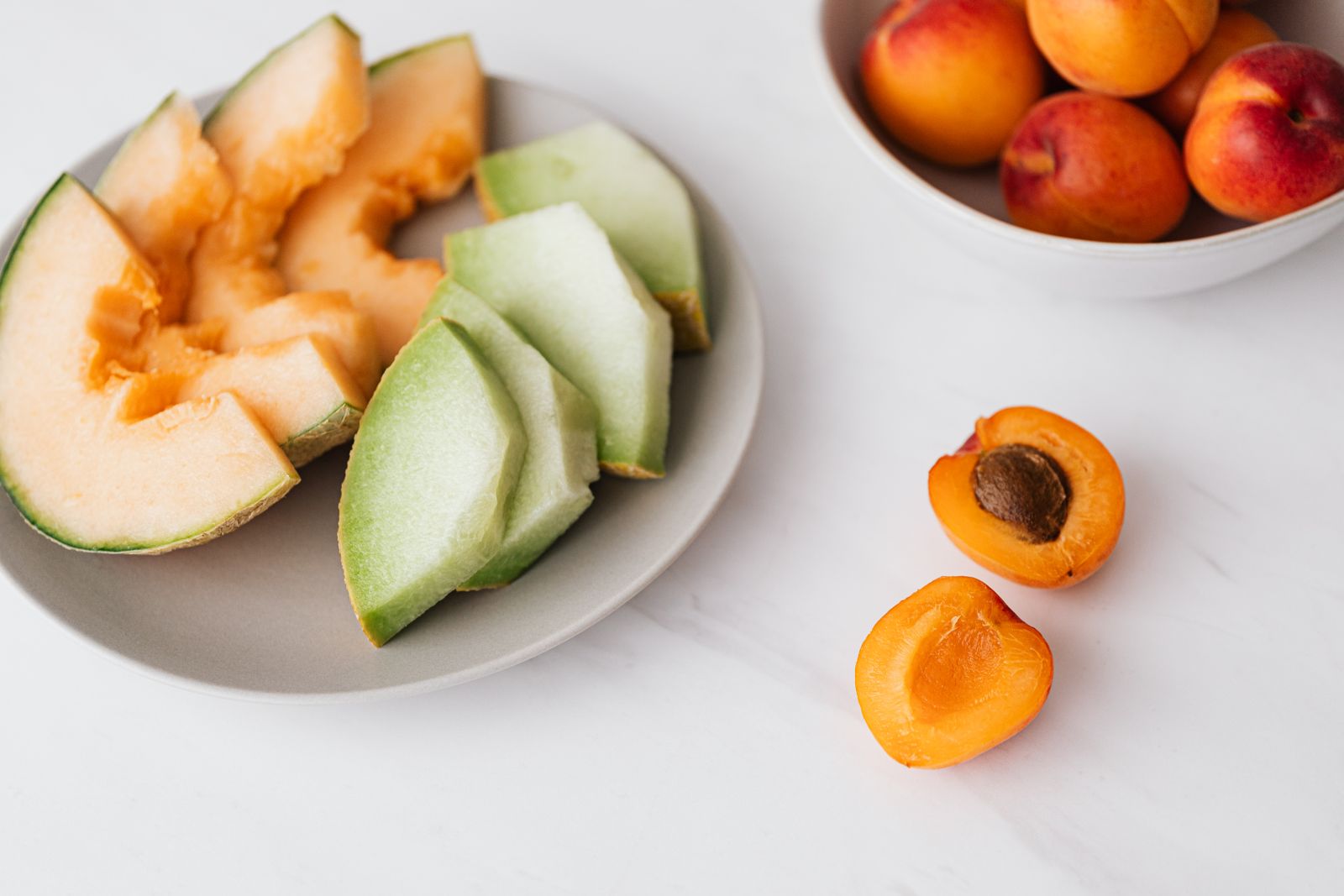
Not every fruit is acidic enough for water bath canning, and not every fruit has a tested recipe. Melons, bananas, figs, and some very ripe tropical fruits are low-acid or borderline, and there are no tested home canning recipes for them as plain fruit. A fruit's sweetness is not a measure of its acidity, and a fruit that tastes tart is not automatically safe either — only a tested recipe settles it. If you love these fruits, freeze them, dry them where a tested method exists, or eat them fresh. And never use a tested recipe for one fruit as a stand-in for another: pears, apples, and peaches each have their own tested times for a reason.
Wild mushrooms, foraged foods, and untested mixtures
Wild mushrooms have no tested home canning recipe, and foraging adds a second risk — misidentification — on top of the canning risk. The same goes for any food you cannot verify: unknown varieties, unusual ingredients, and invented mixtures. A "garden clean-out" jar that combines whatever was left in the beds is the opposite of a tested recipe. If you cannot find a tested recipe for the exact combination, can the components separately under their own tested recipes, or freeze the mixture.
The method mistakes that create unsafe jars
Sometimes the food itself is fine, but the method ruins it. Oven canning, microwave canning, and dishwasher canning are not tested methods: ovens heat jars unevenly, microwaves heat unpredictably, and dishwashers never reach canning temperatures. Open-kettle canning — pouring hot food into jars and sealing without processing — is also unsafe for shelf storage, because the food and jar were never held at a tested temperature for a tested time. Steam canning has a narrow, legitimate place, but only for specific high-acid foods under tested recipes — see Steam Canning vs Water Bath: When Steam Is Safe before you try it, because using a steam canner like a water bath canner is a common error.
Other method mistakes are quieter: using jars that are not made for home canning, such as old commercial jars or decorative jars, which may break or fail to seal; reusing flat lids, which have a one-time sealing compound (see Is It Safe to Reuse Canning Lids?); and skipping altitude adjustment, which leaves food under-processed at elevation (see Canning Processing Times and Altitude Chart). Each of these turns a tested recipe into an untested one, which is why the details matter as much as the recipe itself.
What to do instead: the safe alternative for every "no"
Almost every food on this list has a safe way to keep it — just not in a sealed jar on a shelf. Freezing is the most versatile alternative: it works for purees, soups, sauces, dairy-based dishes, breads, and fruits, and it asks nothing about acidity or heat penetration. Refrigeration works for pickled eggs, garlic in oil, and refrigerator pickles, as long as you respect their short shelf life and keep them cold. Drying works for some herbs and fruits under tested methods. And for the foods that do have tested canning recipes — plain vegetables, fruits, pickles, jams, meats, and broths — canning remains a wonderful, safe way to stock a pantry.
When you are unsure, run through this checklist before you can anything: Is there a current, tested recipe from the USDA, NCHFP, or your state extension for this exact food, cut, jar size, and method? Am I following it exactly, with no substitutions, no bigger jars, no added fat or thickener, and the right altitude adjustment? Is my equipment made for home canning and in good condition? If any answer is no, stop and choose freezing or refrigeration instead. A "no" from this checklist is not a failure — it is the decision that keeps your pantry safe.
Frequently asked questions
Can I can something if I pressure can it longer than the recipe says?
Longer is not a substitute for tested. If no tested recipe exists for a food, there is no time — longer or otherwise — that makes it safe, because nobody has measured how heat moves through that food in a jar. And for foods that do have tested recipes, extra time usually hurts quality without adding safety. Follow the tested time, not a guess.
What about recipes from old canning books?
Old books are a starting point, not a guarantee. Some older recipes used methods or times we now know are unsafe, such as open-kettle canning or water bathing low-acid vegetables. Check any old recipe against a current USDA or NCHFP source before using it, and use the current version if they differ.
Can I water bath a low-acid food if I add vinegar?
Only if you are following a tested pickling recipe that specifies the vinegar strength and amount for that food. Adding a splash of vinegar to a vegetable jar does not reliably make it high-acid, and it does not turn an untested recipe into a tested one. Pickles are safe because their tested recipes control acidity precisely — see How to Can Dill Pickles for how a tested pickle recipe works.
Is it safe if the jar sealed?
No. A seal only means a vacuum formed as the jar cooled; it says nothing about whether the food inside was heated long enough or hot enough. Under-processed food can seal perfectly and still be unsafe. That is why seal checks and processing times are separate steps, and why seal problems and processing problems need different fixes.
How do I check whether a recipe is tested?
Look for the source: the USDA Complete Guide to Home Canning, the National Center for Home Food Preservation website, or your state cooperative extension service. A recipe that names its source, jar size, headspace, processing time, and altitude adjustment is a tested recipe. A recipe that gives none of those, or that says "process until done," is not one — no matter how popular the blog or video is.
The safest canners are not the ones who can the most foods. They are the ones who know exactly which foods belong in a jar, which belong in the freezer, and which belong on tonight's table — and who never let a pretty jar overrule a missing test.
Comments
Post a Comment
Play nice — spam and promo links are deleted.